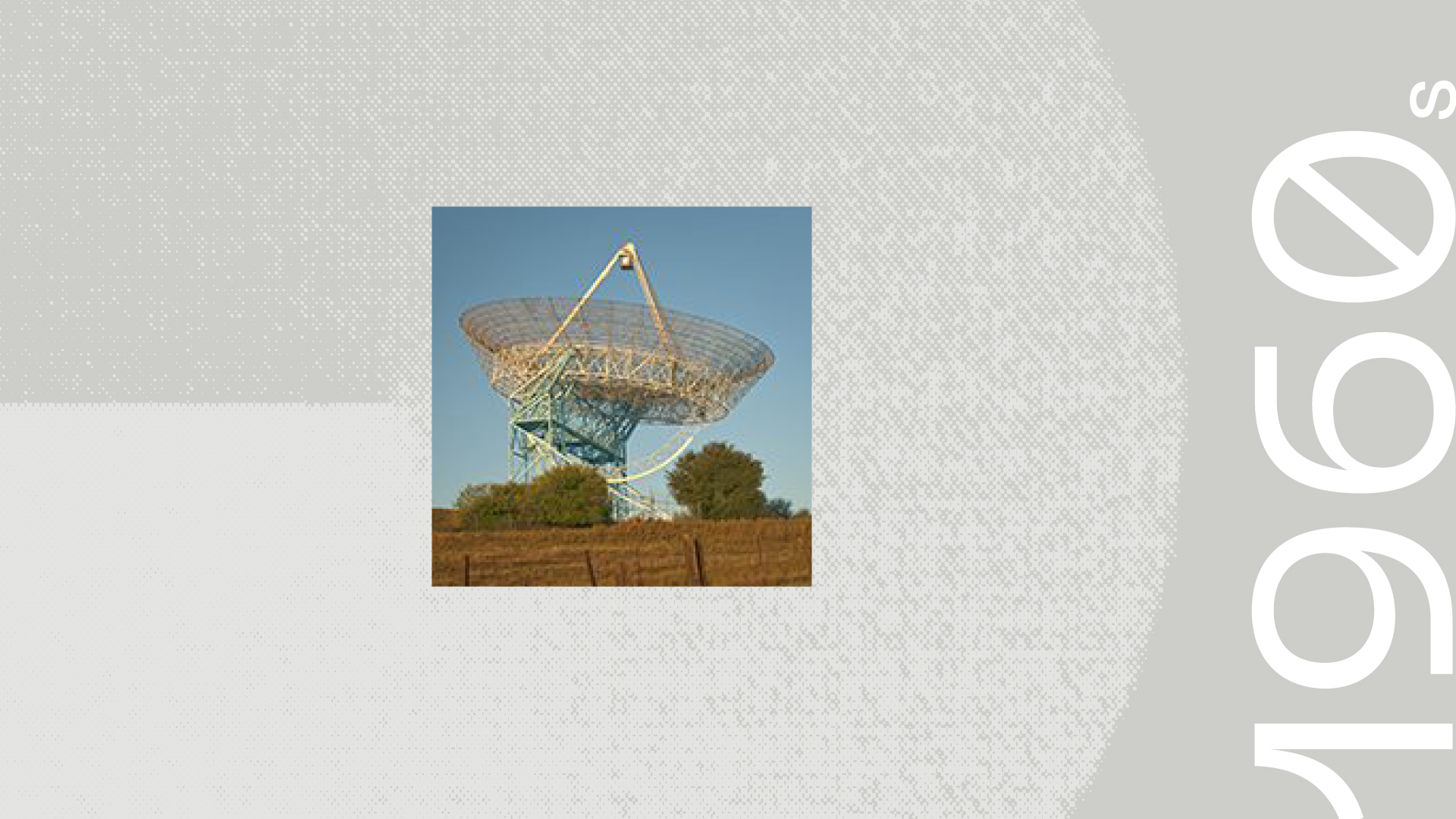
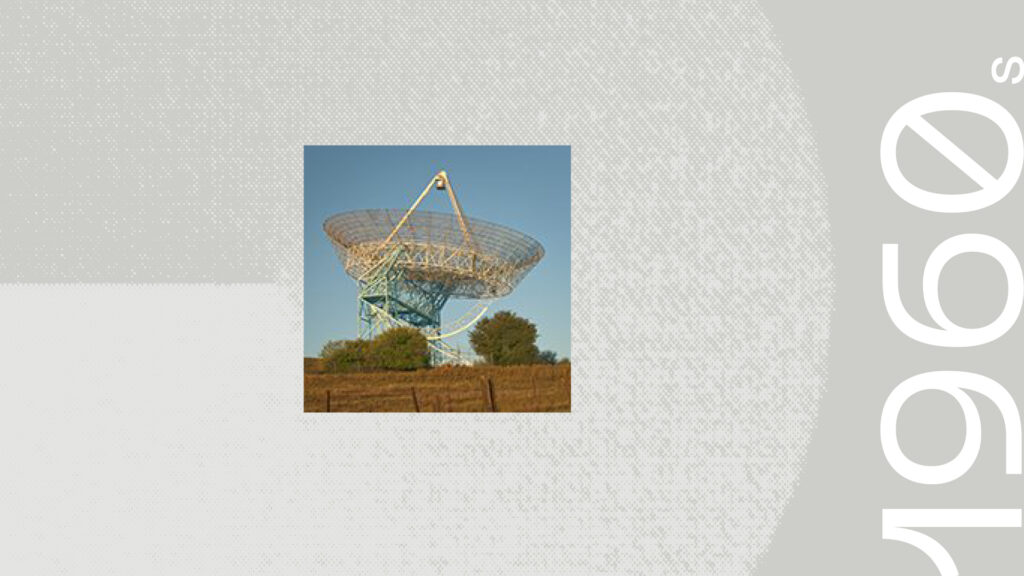
Dish radio antenna


Built by SRI for the U.S. government in the early 1960s, the 150-foot movable radio reflector antenna near Stanford University (known locally as “the Dish”) was the world’s third largest upon its completion. SRI has operated it continuously since then and is used today for satellite calibrations and spacecraft communications.

On October 10, 1957, a smaller SRI antenna near the Dish made the first radar detection of an artificial satellite—in fact, the satellite was the world’s first, Sputnik 1, which had been launched six days earlier by the Soviet Union.



Read more from SRI

  • An arid, rural Nevada landscape

    Can AI help us find valuable minerals?

    SRI’s machine learning-based geospatial analytics platform, already adopted by the USGS, is poised to make waves in the mining industry.

  • Two students in a computer lab

    Building a lab-to-market pipeline for education

    The SRI-led LEARN Network demonstrates how we can get the best evidence-based educational programs to classrooms and students.

  • Code reflected in a man's eyeglasses

    LLM risks from A to Z

    A new paper from SRI and Brazil’s Instituto Eldorado delivers a comprehensive update on the security risks to large language models.