SRI marks 80 years: exploring what comes next
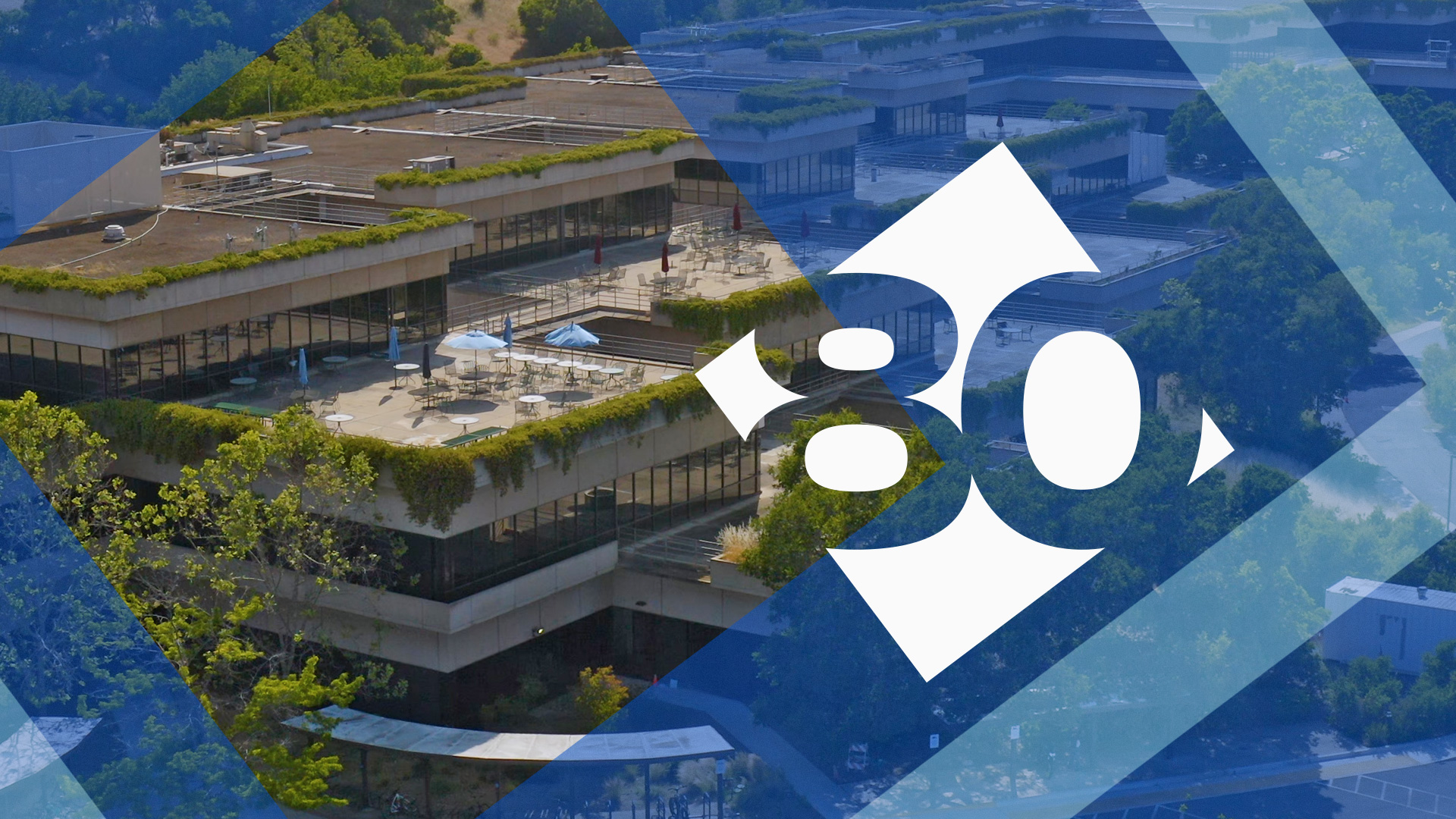
At a landmark 80th-anniversary gathering at the Computer History Museum, SRI looks ahead to an era of innovation that serves everyone.
For 80 years, SRI has turned bold ideas into breakthrough technologies, from the internet’s earliest infrastructure, the computer mouse, weather satellites, Ethernet, mobile robotics, Siri, and telerobotic surgery. Current research in agentic intelligence, precision medicine, and quantum technologies continues that legacy. On November 12 at 6 p.m., the Computer History Museum (CHM) in Mountain View, CA will host SRI, colleagues, and guests to celebrate the past and envision what comes next.
Emceed by David Pogue, the evening traces SRI’s story from its early days through the next 20 years and explores the broad impact SRI has had on society. Guests will hear from CHM CEO Marc Etkind, SRI CEO David Parekh, Stanford President Jonathan Levin, Siri co-founder Adam Cheyer, and early Intuitive Surgical team members. Technology luminaries will attend, including a surprise guest honoring Doug Engelbart, creator of the computer mouse and “The Mother of All Demos.” The night includes two new IEEE Milestones and closes with reflections on what comes next.
“For 80 years, SRI has been in the business of building the future,” said Parekh. “We have focused on some of the world’s greatest challenges and delivered world-changing technologies. We didn’t do it alone, but in partnership with a vibrant innovation ecosystem. As we create what’s next, we will also aim to build the foundations for assurance and trust in the adoption of these technologies.”
As SRI looks ahead, it is moving its headquarters to its PARC campus in Palo Alto, in the Stanford Research Park, creating a place where technologists, entrepreneurs, and partners can build what’s next together.
“We didn’t do it alone, but in partnership with a vibrant innovation ecosystem. As we create what’s next, we will also aim to build the foundations for assurance and trust in the adoption of these technologies.”
— David Parekh