Story
-
SRI internship program spotlights brightest up and coming minds
SRI’s interns work hand-in-hand with seasoned SRI experts on world-changing solutions
-
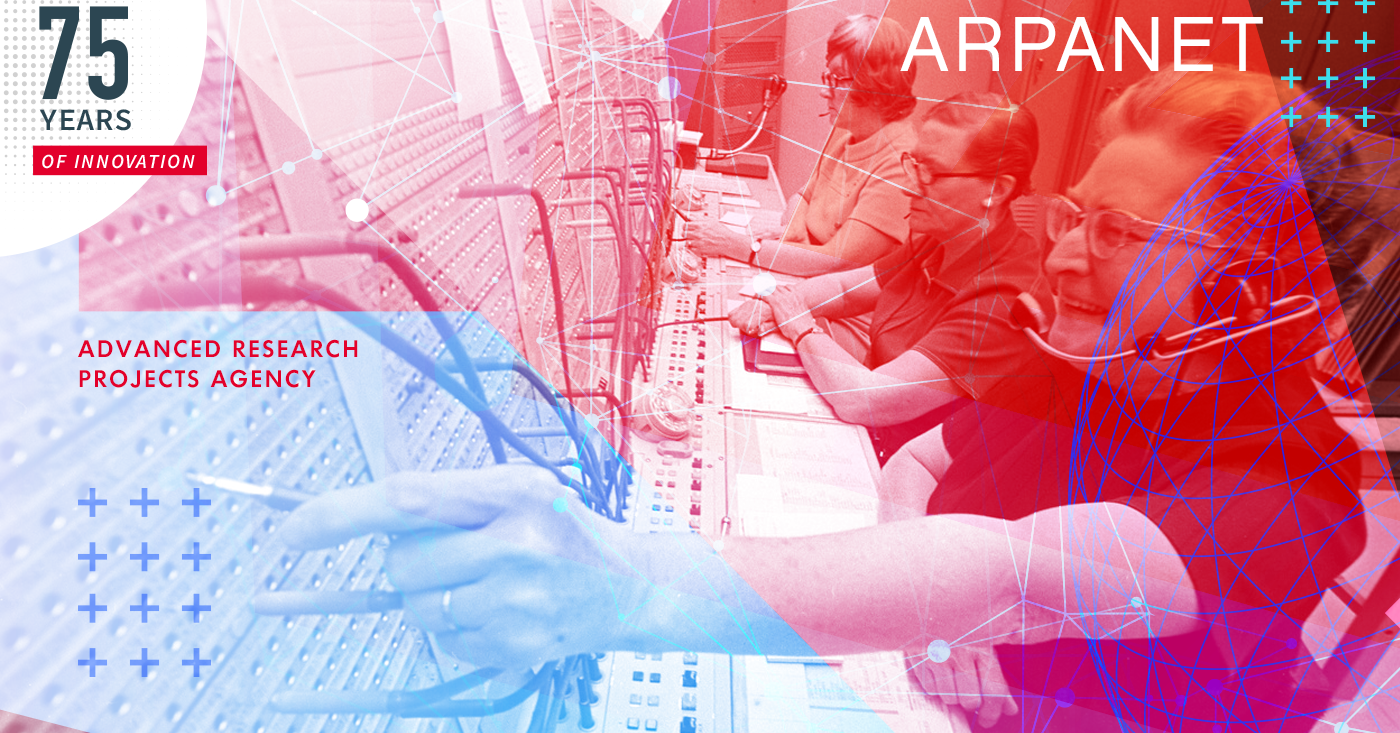
75 Years of Innovation: ARPANET
A collaborative project that gave rise to the modern internet.
-
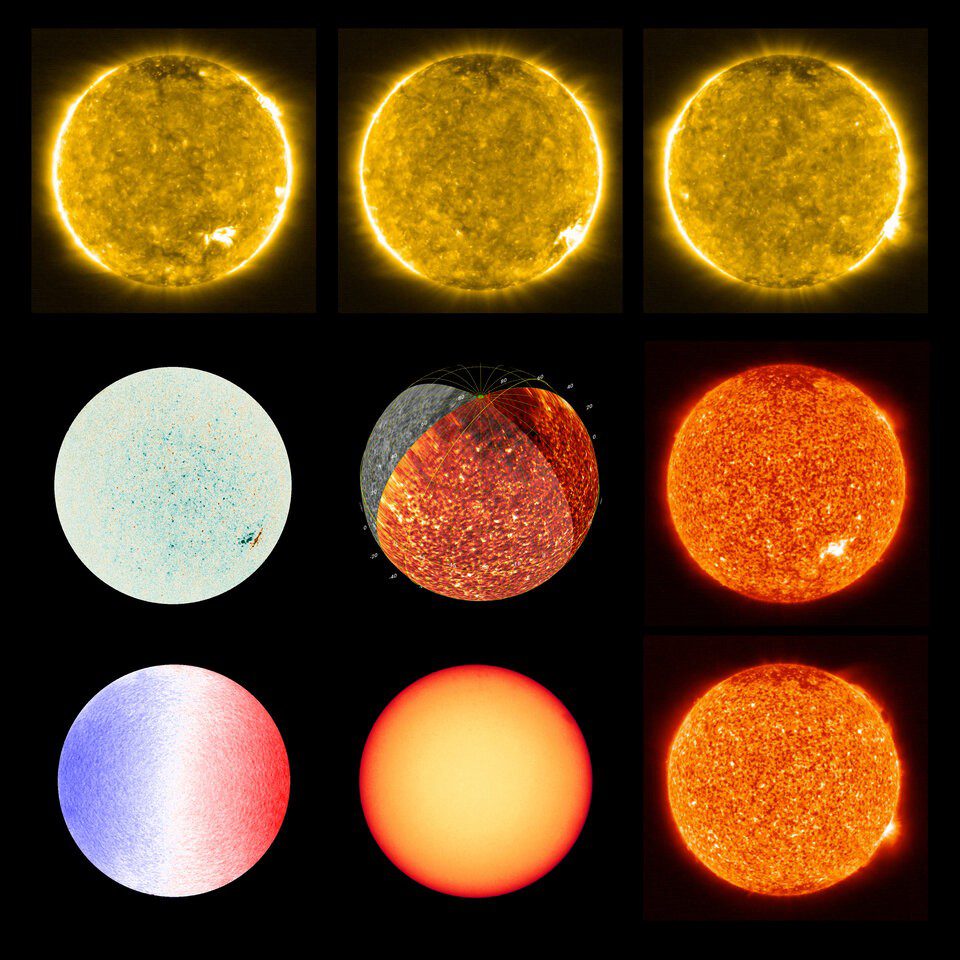
Exploring the solar system with SRI’s CMOS Imager
Imagine watching the launch of a NASA planetary mission and knowing that technology you built is along for the ride. It must be thrilling, and SRI’s Jim Janesick knows the feeling well.
-
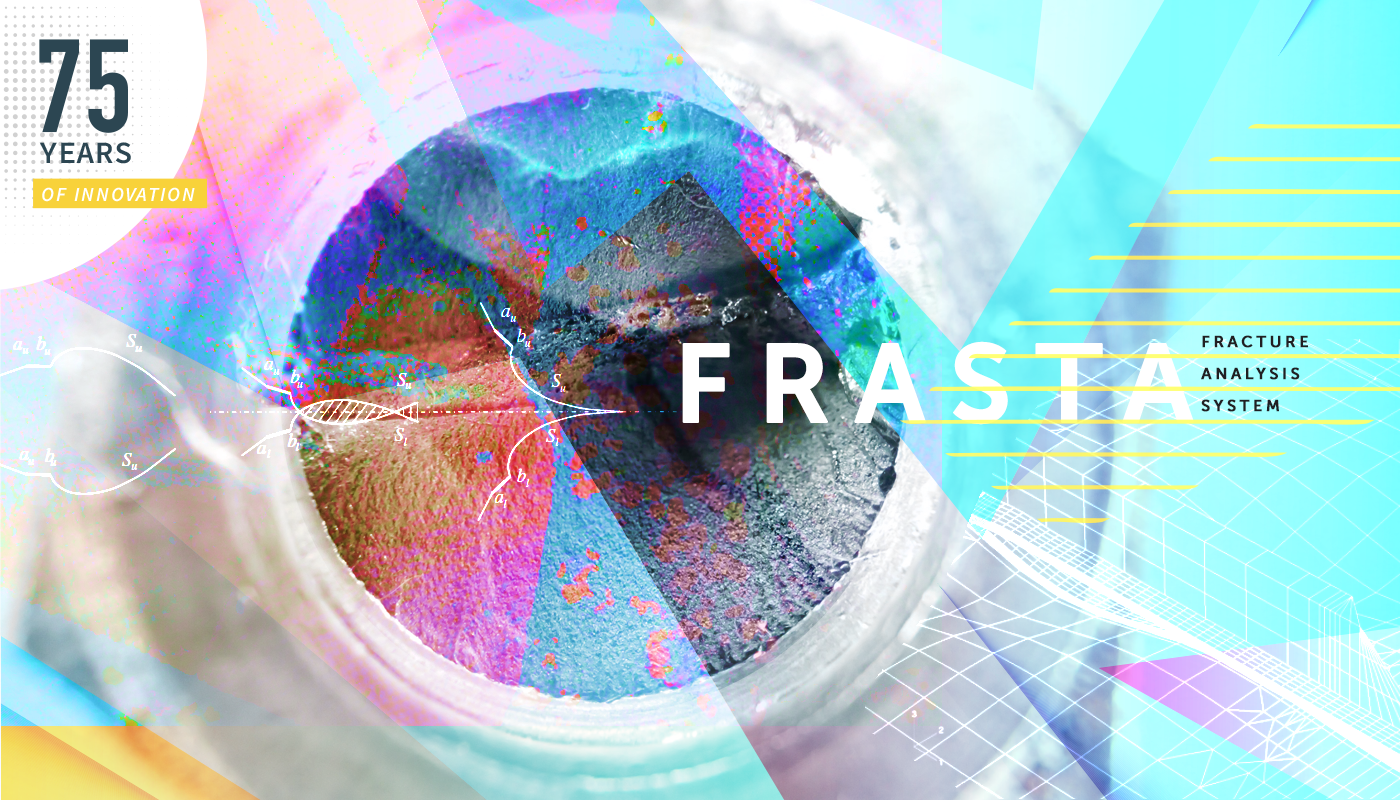
75 Years of Innovation: FRASTA (Fracture Surface Topography Analysis)
A method to look at subsurface cracks and their growth patterns to determine topographical characteristics of material fatigue.
-
Featured innovator: Rich Mahoney, Seismic
Mahoney is the founder of Seismic, an SRI International spinoff venture that is using robotics to write the future of wearable technology.
-

Almost one third of life science companies set to begin quantum computing evaluation this year
Pistoia Alliance, QED-C and QuPharm join forces to help biopharma and healthcare industry exploit quantum computing’s potential
-

75 Years of Innovation: Solar electricity
The first World Symposium on Applied Solar Energy that resulted in the world’s first commercially viable amorphous solar silicon cell and several solar energy-related patents
-

Vitrina AI: The future of video licensing transactions
The innovative start-up is a potentially market-changing spinoff of SRI Ventures
-
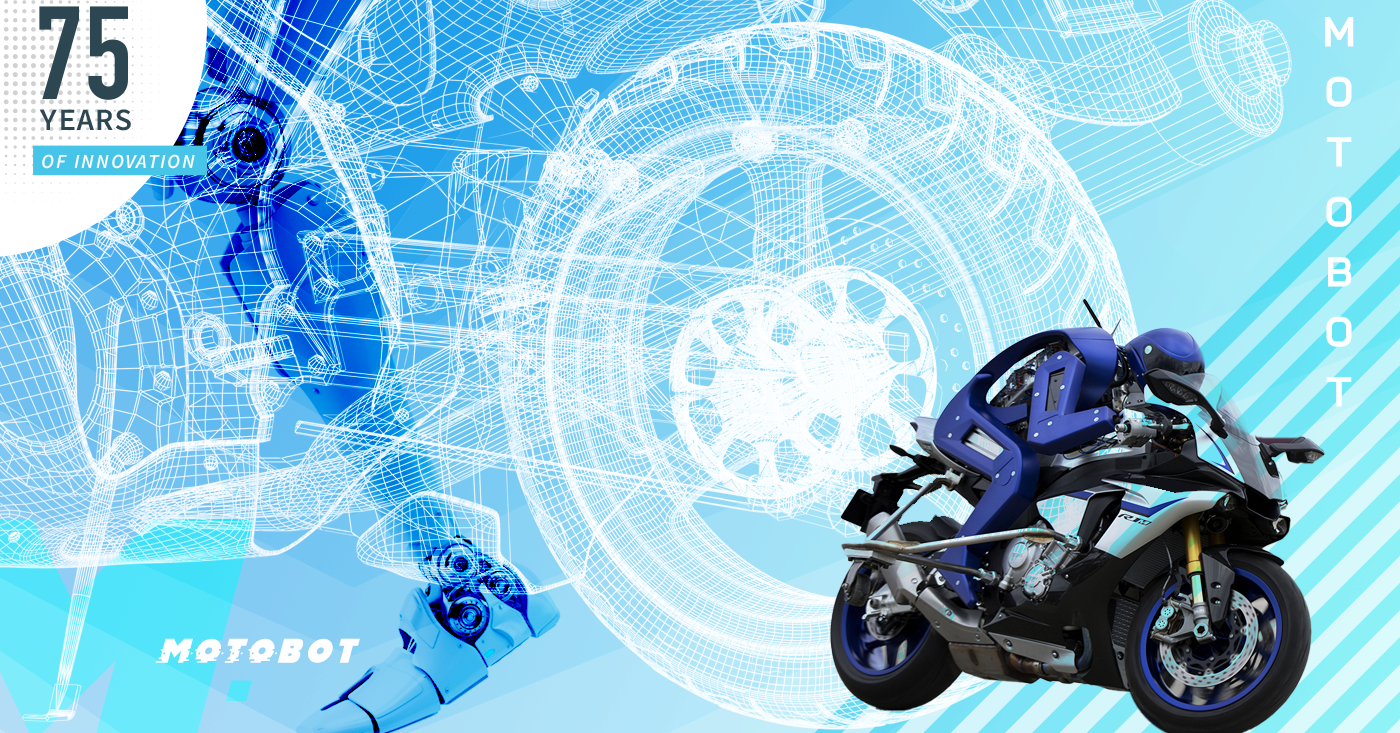
75 Years of Innovation: Motobot
The first autonomous motorcycle-riding humanoid robot.
-

Kasisto: On COVID-19 and being at the forefront of conversational AI
KAI, a conversational AI digital assistant-enabled platform from SRI spin-off Kasisto, demonstrated how AI can stand up to extreme challenges.
-
75 Years of Innovation: Advanced Modular Incoherent Scatter Radar (AMISR)
SRI developed the first remotely controllable, and relocatable, ISR facility that could be used by research scientists across the world.
-

Want to know if it’s nature or nurture? Look at twins
SRI and Stanford have studied twins to better understand the genetic and environmental factors that drive human health and behaviors.