SRI International
-
The Fundamental matrix: theory, algorithms, and stability analysis
We analyze in some detail the geometry of a pair of cameras, i.e., a stereo rig. Contrarily to what has been done in the past and is still done currently, for example in stereo or motion analysis, we do not assume that the intrinsic parameters of the cameras are known.
-
Ropes: an alternative to strings
We claim that the traditional implementations of strings, and often the supported functionality, are not well suited to such general-purpose use.
-
Expert systems versus systems for experts
-
The role of intelligent systems in the national information infrastructure
AI techniques can play a central role in the development of a useful and usable NII by (1) enabling the construction of human-computer interface systems that are goal-oriented, cooperative, and customizable; allow users to communicate in natural ways in a variety of modalities; and provide a consistent interface to the full range of NII services;…
-
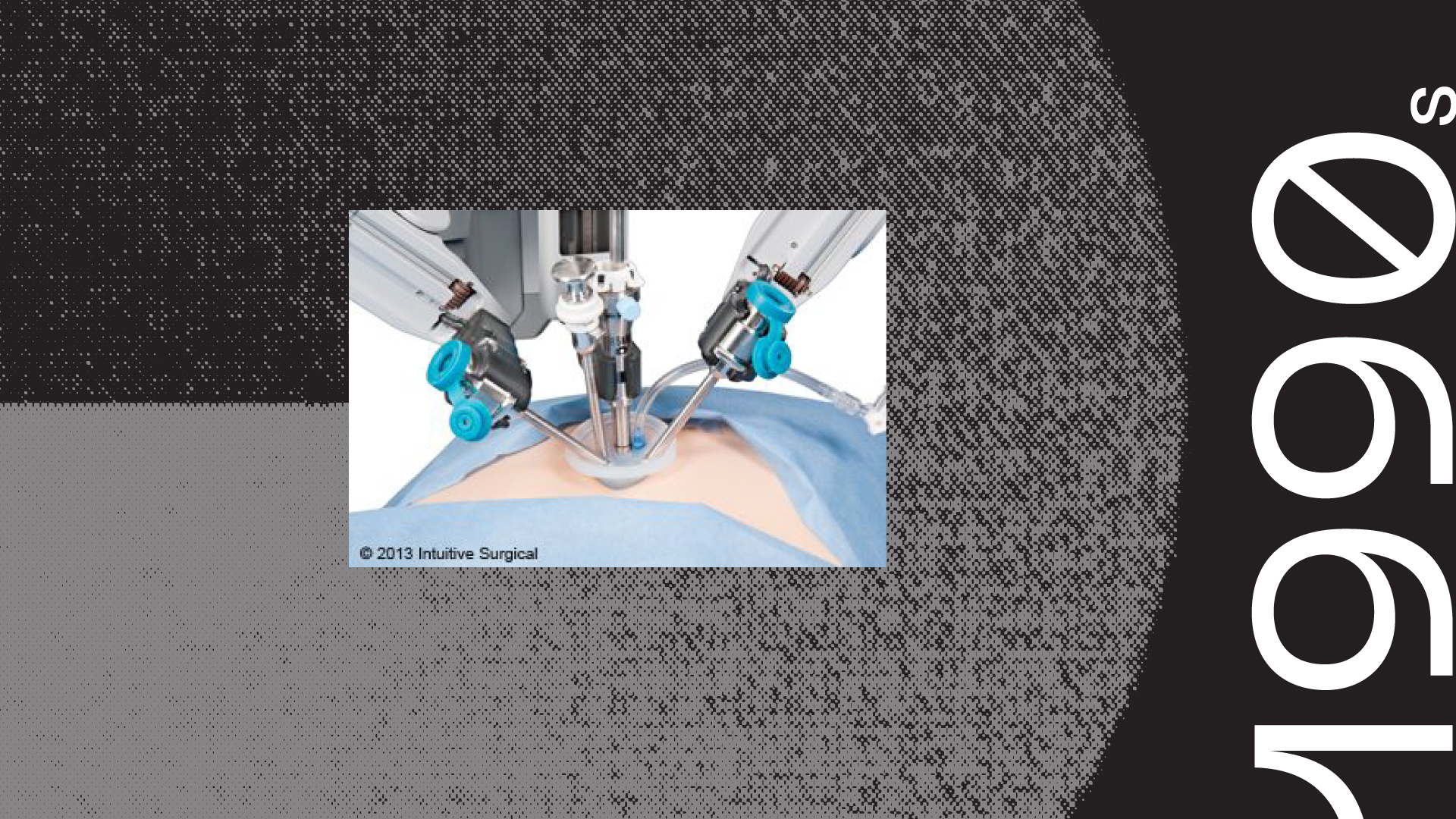
Telerobotic surgery
Less invasive surgery. Steadier hands. More happy patients.
-

Twin research
Twin Research Registry creates new opportunities for health and behavior research.
-
A Robust Technique for Matching Two Uncalibrated Images Through the Recovery of the Unknown Epipolar Geometry
This paper proposes a robust approach to image matching by exploiting the only available geometric constraint, namely, the epipolar constraint.
-
Training Data Clustering for Improved Speech Recognition
We present an approach to cluster the training data for automatic speech recognition (ASR). A relative entropy based distance metric between training data clusters is defined.
-
A Comparative Study of Speaker Adaptation Techniques
In this paper, we study various ML-based techniques and compare experimental results on data sets with recordings from nonnative and native speakers of American English. In feature-space techniques, we hypothesize an underlying transformation in the feature-space that results in a transformation of the HMM parameters.
-
Connectionist Speaker Normalization and Adaptation
We explore supervised speaker adaptation and normalization in the MLP component of a hybrid hidden Markov model/multilayer perceptron version of SRI’s DECIPHER™ speech recognition system. Our approach combines both adaptation and normalization in a single, consistent manner, works with limited adaptation data, and is text-independent.
-
Object-Centered Surface Reconstruction: Combining Multi-Image Stereo and Shading
We argue that an object-centered representation is most appropriate for this purpose becasue it naturally accomodates multiple sources of data, multiple images (including motion sequences of a rigid object), and self-occlusions.
-
Acoustic Properties of Disfluent Repetitions
Acoustic properties of disfluent repetitions are examined to investigate two proposed functions of repeating. Repeating may serve as a filler while hesitating; alternatively, repeating may function to bridge a gap when speech resumes after a break.