Can 0.2% of your brain control how you sleep?
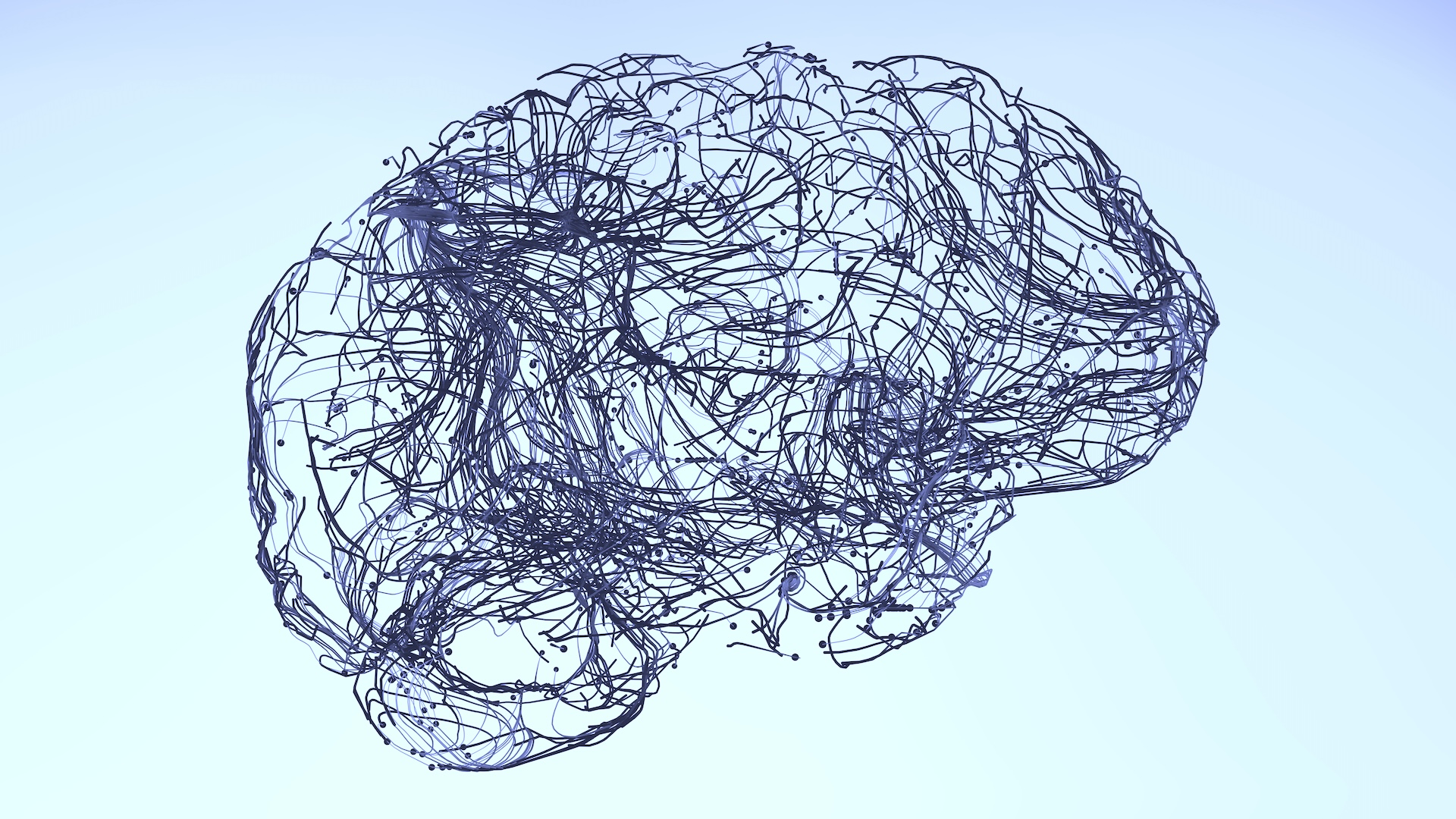
A rare class of neurons upends a century of thinking about how the brain produces sleep.
Thomas Kilduff, director of SRI’s Center for Neuroscience, is a co-author on a new paper in Nature, led by Renata Batista-Brito of the Icahn School of Medicine at Mount Sinai. The study identifies a rare group of cortical neurons that actively promote sleep, challenging the long-held view of the cortex as a passive follower of signals from deeper brain structures.
Ars Technica highlights Kilduff’s role in shaping the study’s central idea. He first proposed that these cells, known as Sst-Chodl neurons, might act as sensors for sleep pressure — the accumulated need for sleep that builds the longer we stay awake. His earlier work showed that after sleep deprivation, these neurons are among the most active in the cortex.
The new study builds on that foundation. Activating Sst-Chodl neurons synchronized cortical activity and shortened the time it took animals to fall asleep, and increased both slow-wave and REM sleep. The cells make up just 0.2% of cortical neurons, yet they’re conserved across species from salamanders to humans. Understanding these cells could shed light on the sleep disruptions seen in many psychiatric and neurological conditions.
Kilduff, Batista-Brito and the team are now working to determine what activates these neurons and whether they truly function as sensors of sleep pressure. The research adds to SRI’s 80-year track record of discovery in brain and sleep science.
Read the full article.
SRI brings transformative approaches and platforms
for challenging therapeutic problems
We bring together basic bioscience, applied research for early-stage IP generation,
and transnational development — moving the lab to the real world.