SRI International
-
Investigation of a Common Training Procedure for Remote and Rapid Design, Repair and Redesign of Devices
The object of this proposed research program is to investigate the possibility of using one training procedure to rapidly and remotely design, repair, and redesign devices.
-

Airline reservation system
From 1962 to 1964, SRI led development of a real-time communications system for the Scandinavian Airline System (SAS) to process passenger reservations and check-in.
-
Research on Self-Organizing Machines
Submitting a proposal to provide funds for the continuation of work in several important areas of learning-machine research.
-
Mathematical Techniques of Self-Organizing Systems
This proposal outlines a program of research aimed at the development of a mathematical structure to serve as a means for realizing a useful, economical, self-organizing machine.
-

TIROS 1 weather satellite
The world’s first space-based meteorology satellite.
-
Graphical Data Processing Research Study and Experimental Investigation
We aimed to conduct a research study and experimental investigation of techniques and equipment characteristics suitable for application to graphical data processing for military requirements.
-
Research in Self-Organizing Machines
The four areas of present interest are: Neural Element Development; Integral Geometry Studies; Distributed Memory Studies; Photographic-Optical Simulation of Neural Nets.
-
Simulation of Neural Networks by Optical-Photographic Methods
A method of using photographic film and pin-hole optical wiring is proposed here to simulate an electronic data processing machine having many elements operating in parallel.
-

All-magnetic logic computer
Virtually indestructible computer circuitry.
-
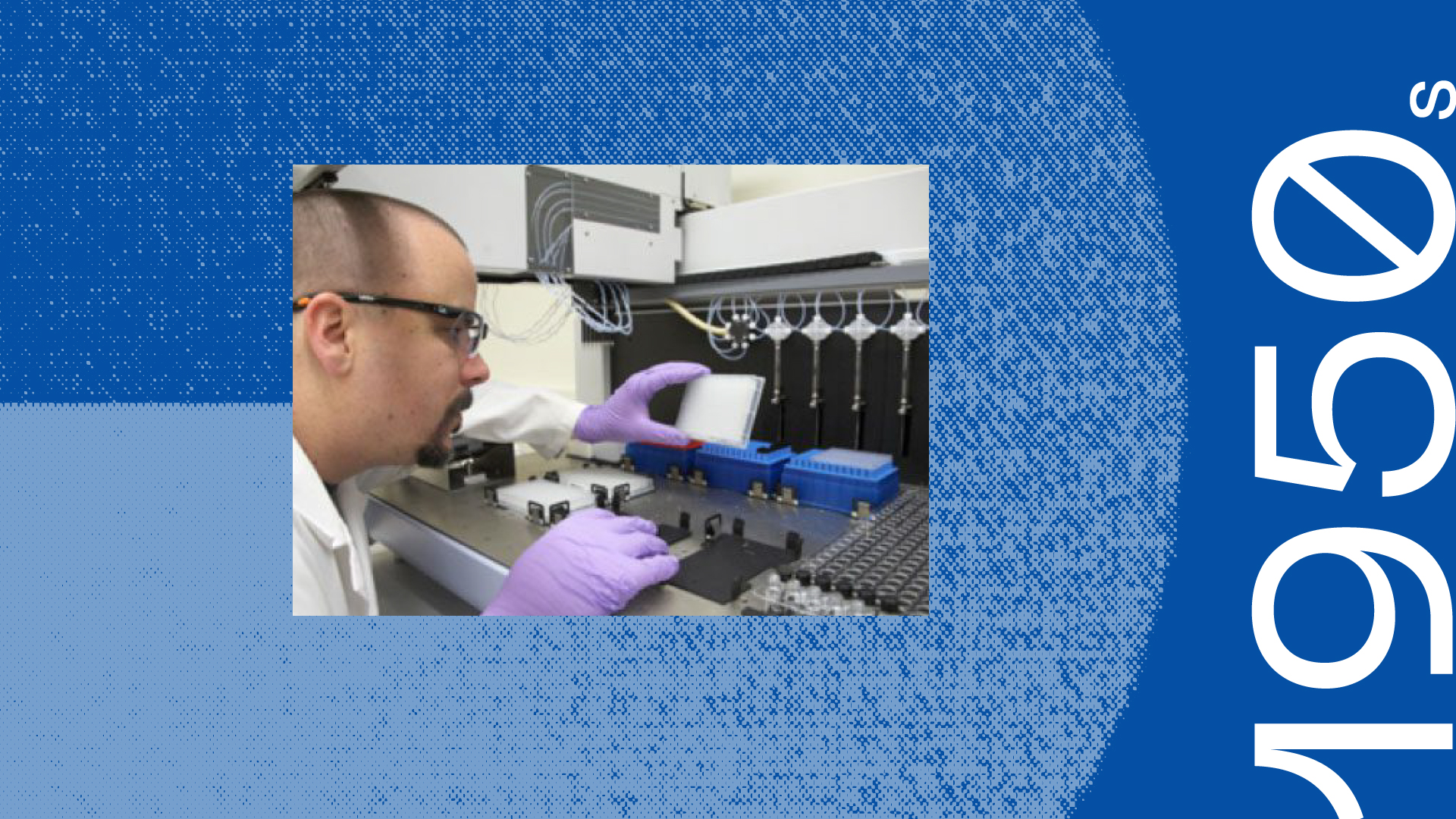
Cancer research
SRI enters the ranks searching for possible anticancer agents–work that continues today.
-

Color television
RCA Laboratories (now part of SRI) brings television to full-color life.
-
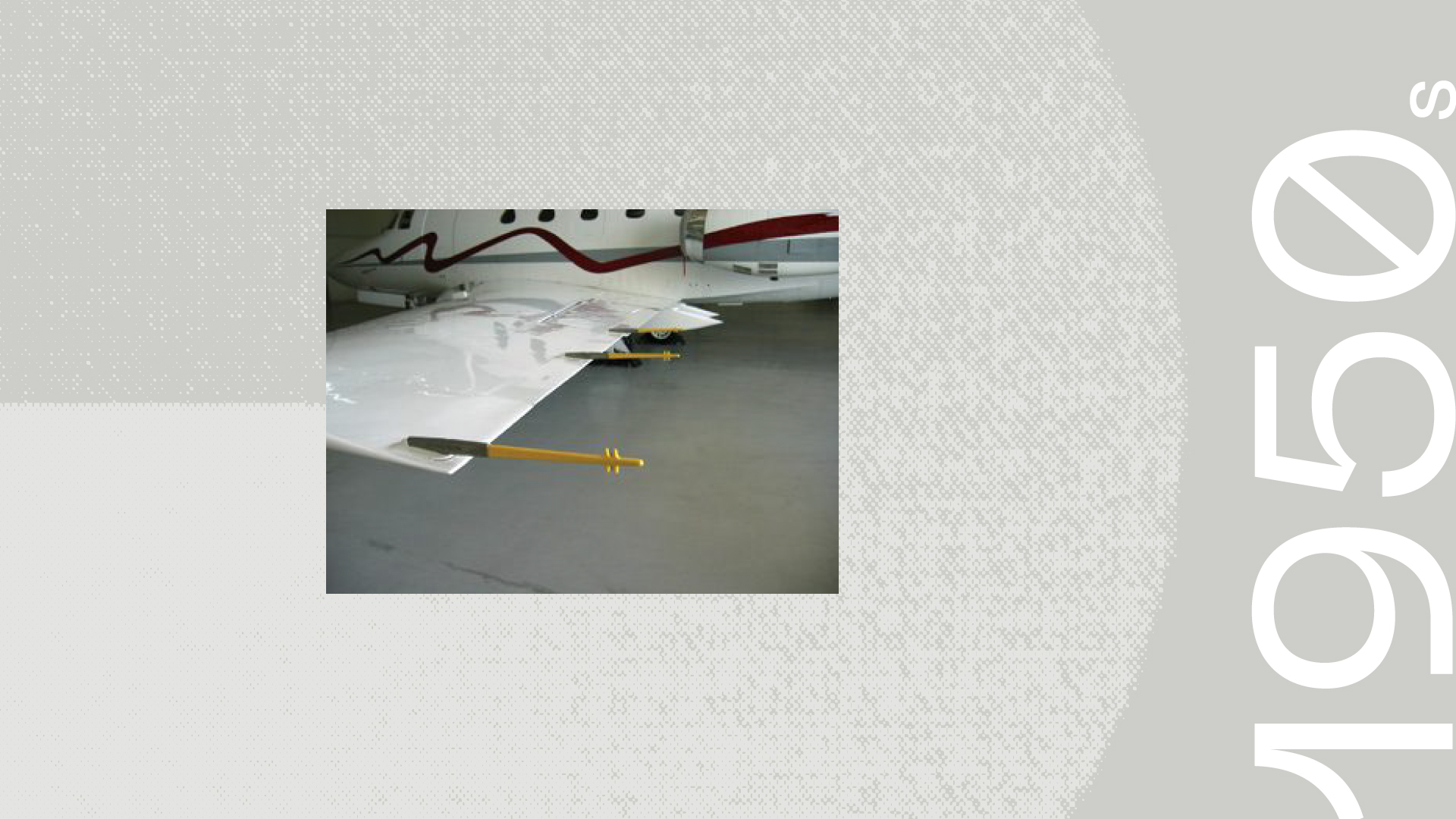
Electrostatic discharge rods
Innovative rods help protect aircraft from potentially dangerous levels of static electricity.